
You May Also Like:
- The Top 5 Benefits of Regular Green Waste Removal for Long-Term Property Care
- Green Waste Removal Sydney vs Council Bins: What’s the Difference?
- Why Is Green Waste Removal Sydney Essential Before Bushfire Season Arrives?
Why Does Invasive Plant Waste Need Careful Handling?
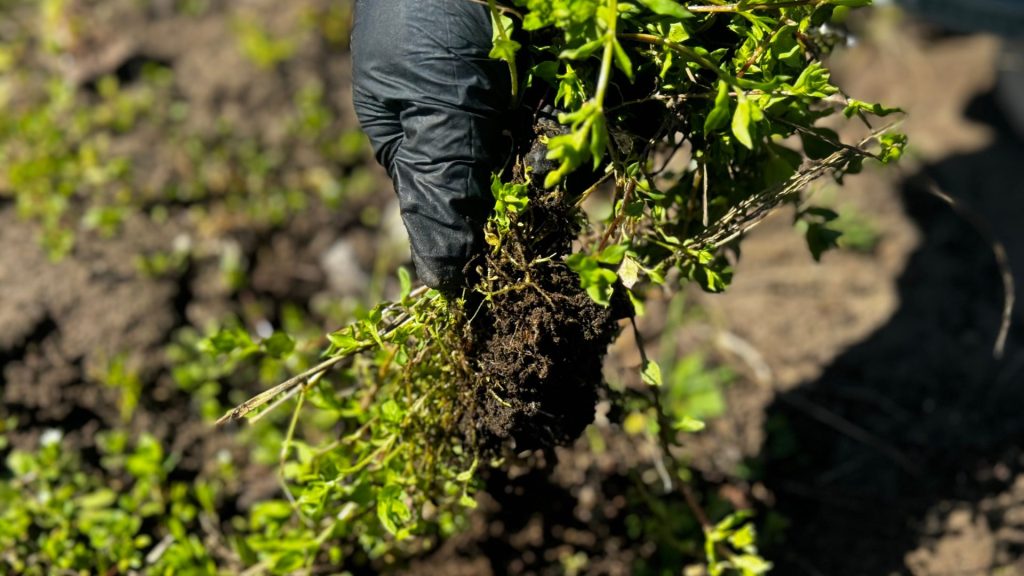
Invasive plant waste includes anything that can regrow or reseed, such as seed heads, berries, runners, bulbs, rhizomes, and even contaminated soil. It needs careful handling because tiny fragments can survive transport and quickly establish elsewhere.
Common spread pathways during clean-ups include dragging piles across the lawn, letting fragments blow in the wind, sharing “free mulch”, overfilled bins with lids ajar, unlined trailers, and improper green waste pick up that spills along the way. Many gardens also involve adjacent tree work, so coordinating invasive removal with tree trimming reduces repeated handling and ground disturbance. It is also smarter to plan tree trimming alongside removal so crews are not walking invasive fragments back through cleared areas.
In Sydney, some vegetation work may require local council approval or permits, especially for protected trees or significant lopping. They should check requirements before major clearing, removals, or any work that resembles regulated tree lopping services.
What Green Waste Should Be Bagged or Separated First?
They should sort first and load last, because mixing materials is how contamination spreads. A simple order is: bag first, then bundle, then load.
Use these practical categories to keep waste contained:
- Seed heads, berries, pods, and flowers (highest spread risk)
- Vines, runners, rhizomes, and bulb material (high regrowth risk)
- Woody stems and branches (lower risk if clean)
- Soil, turf, and roots (often contaminated and heavy)
This matters when tree trimming is happening on the same day. Separating invasive vines from branches before tree trimming helps prevent fragments from dropping across the site, and it keeps the chip or mulch stream cleaner. If tree trimming is already planned, they should clear and bag creepers first so nothing gets dragged underfoot when branches are lowered.
If they lack space, time, or the right containment, searching for garden waste removal near me or garden rubbish removal near me can be a practical option. Looking for green waste removal near me can also help connect property owners with local teams equipped for difficult vegetation clean-ups. They should also use PPE (gloves, eye protection, long sleeves) and lift safely, since wet soil and vine loads can be deceptively heavy, and professionals use proper tools, gear, and handling methods to reduce injuries and accidental spread.
How Can Green Waste Removal Near Me Help Reduce Spread?
A green waste removal service typically reduces spread by collecting material in a contained way, transporting it covered, and disposing through the correct routes rather than loose tipping. For invasive loads, containment and clean-down are the real value.
When people search for green waste removal near me, they often need help containing and removing difficult materials without spreading fragments to other parts of the property. Reliable green waste removal near me options often bring practical equipment such as heavy-duty bags, tarps, bins, rakes, and sealed or covered trailers. Some also bring chippers or mulchers when appropriate, but invasive material should not be processed on-site unless the method and end destination are confirmed safe.
They should request itemised quotes and ask how the crew specifically handles invasive material, including whether they prevent loose debris, line trailers, and clean up fragments after loading. Many tree removal companies can bundle cutting, stump removal, green waste removal near me requests, and post-removal inspections, so pairing invasive clearing with tree trimming can cut repeat trips and reduce re-handling. If tree trimming is included, they should confirm the team will keep invasive material separate from general green waste and do a final rake-through.
For Sydney trust signals, they should verify insurance and licensing, and favour operators with local knowledge of Hills District and North Shore conditions, access constraints, and regulatory compliance. Crews who understand local council expectations are less likely to create problems later.
Why Should You Avoid Composting Invasive Plant Material?
They should avoid composting invasive plant material because home compost rarely reaches consistent temperatures needed to kill seeds, and many rhizomes or nodes can resprout even in “hot” piles. The result is often a hidden nursery that spreads the problem.
The biggest risk is contaminated mulch that gets spread across garden beds, share piles, or nature strips. That is how invasives travel from one property to the next.
Safer options include sealed-bag disposal via green waste rubbish removal, council-approved disposal, or controlled processing only when permitted and properly managed. People researching green waste removal near me should also be cautious with shredded outputs. Material from tree trimming or mulching should not be mixed with invasive fragments unless the processor and end-use are confirmed safe. If tree trimming creates on-site mulch, it should remain strictly separate from any invasive piles.
If they have already composted invasive waste, they should stop turning the pile, isolate it, bag what they can safely remove, and monitor for regrowth. If shoots appear, they should arrange contained removal and avoid spreading the compost anywhere.
How Can Professional Clean-Up Help Prevent Regrowth?
Professional clean-up helps prevent regrowth because it is a process: removal plus inspection and follow-up, not just a one-time haul. The goal is to reduce fragments left behind and catch resprouts early.
A typical workflow includes site assessment (plant identification and spread risk), a safe cutting and removal plan, careful extraction of roots or rhizomes, containment during loading, and correct disposal. Many people searching green waste removal near me use professional services because they often finish with a detailed tidy-up so small pieces are not left in lawn edges, drains, or garden borders.
Post-removal, professionals can recommend inspection points and timing, including monitoring edges, checking after rain, and targeted re-treatment where needed. Providers like Trees Down Under support land clearing and development services across the Hills District and North Shore, with risk management plans and insurance coverage, and they can advise clients to confirm council approvals where required for vegetation clearing and regulated tree work.Before booking, people often compare green waste removal cost, service inclusions, and containment methods. The next step is to arrange green waste removal near me, ask what invasive protocols they follow, and coordinate the job with tree trimming to minimise repeat disturbance and reduce the chance of spread. For ongoing maintenance or future vegetation issues, green waste removal near me can help keep sites cleaner and reduce regrowth risks over time.


